
The first thing that usually fails is the app with the glossy logo. A commercial VPN that worked last month starts hanging on connect, or connects while the sites you care about stay unreachable. On a filtered network that outcome is ordinary, because the filter already knows those products by fingerprint, port habit, and shared infrastructure.
What keeps working for a lot of people is quieter: a VPS outside the filter, a protocol stack the local client scene already knows, and a panel that hands you a QR code or a subscription URL. The phone does the rest.
That pattern shows up across Iran, Turkey, and China. The filters differ. The client apps differ. The useful Instant Apps on NodeRings are the panels that match those habits. A generic "VPN product" that pretends every country is the same wastes a guest.
How the filter differs by country
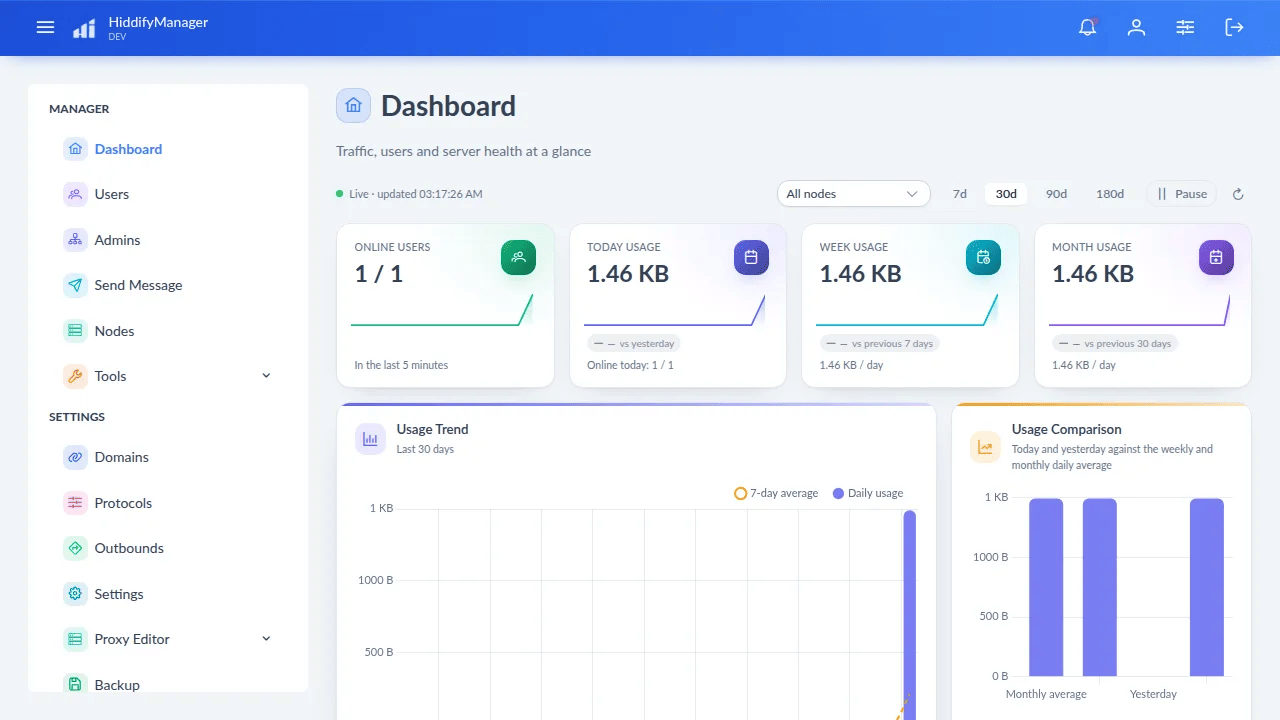
Iran leans hard on DPI and TLS fingerprinting. Plain OpenVPN and old Shadowsocks configs get brittle. The setups that stick around for longer tend to look like ordinary HTTPS traffic toward a believable site, which is why VLESS with REALITY (and panels that emit it) dominate Iranian Telegram groups and reseller chats. Multi-protocol managers such as Hiddify matter because one bad inbound can be swapped while every phone keeps the same import habit.
Turkey is a different shape. Blocks often land as DNS poisoning or SNI filtering on a short list of platforms, then loosen again. A clean WireGuard exit still helps a lot of people. The Iranian-style Xray panels still show up in Turkish communities because the same phone apps (v2rayNG, Hiddify, Streisand) already sit on people's home screens, and because intermittent blocks reward something you can retune on your own schedule.
China's Great Firewall combines blocking, active probing, and a long history of killing popular fingerprints. The commercial "机场" model (panel plus many nodes) grew out of that pressure. Solo operators still run Shadowsocks, VLESS, Hysteria, and Reality exits; subscription URLs and Clash Meta / sing-box clients are the day-to-day interface. A single VPS Instant App recreates one honest exit you control. A whole 机场 fleet is a different product.
Filters move. Shared ports get burned. The useful claim stays narrow: when a consumer brand dies, the recovery path is a machine you control plus a protocol the local clients already speak.
What "working" looks like on the panel
Success is a phone that can fetch a public URL through the tunnel. The panel is only the factory for that link.
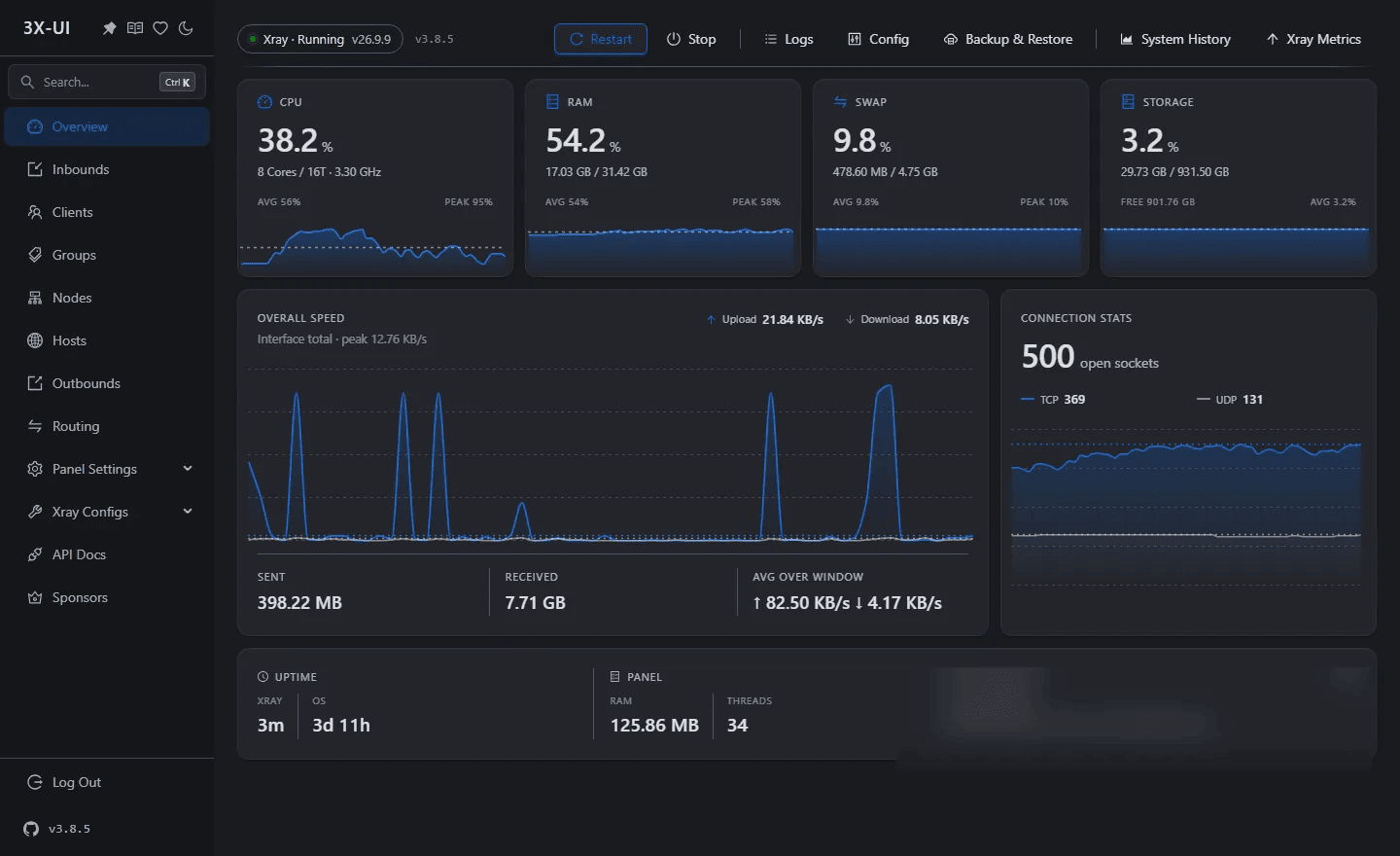
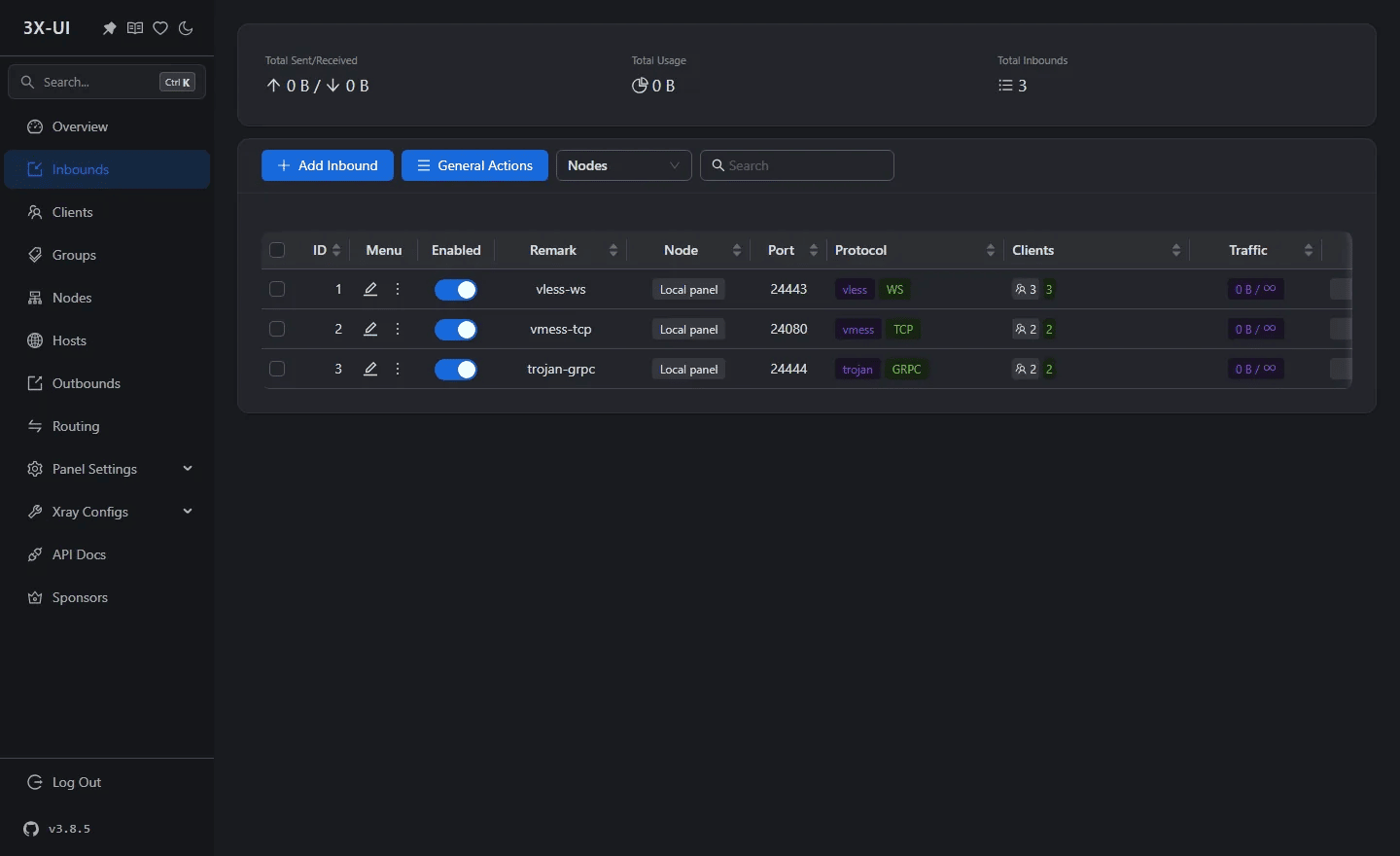
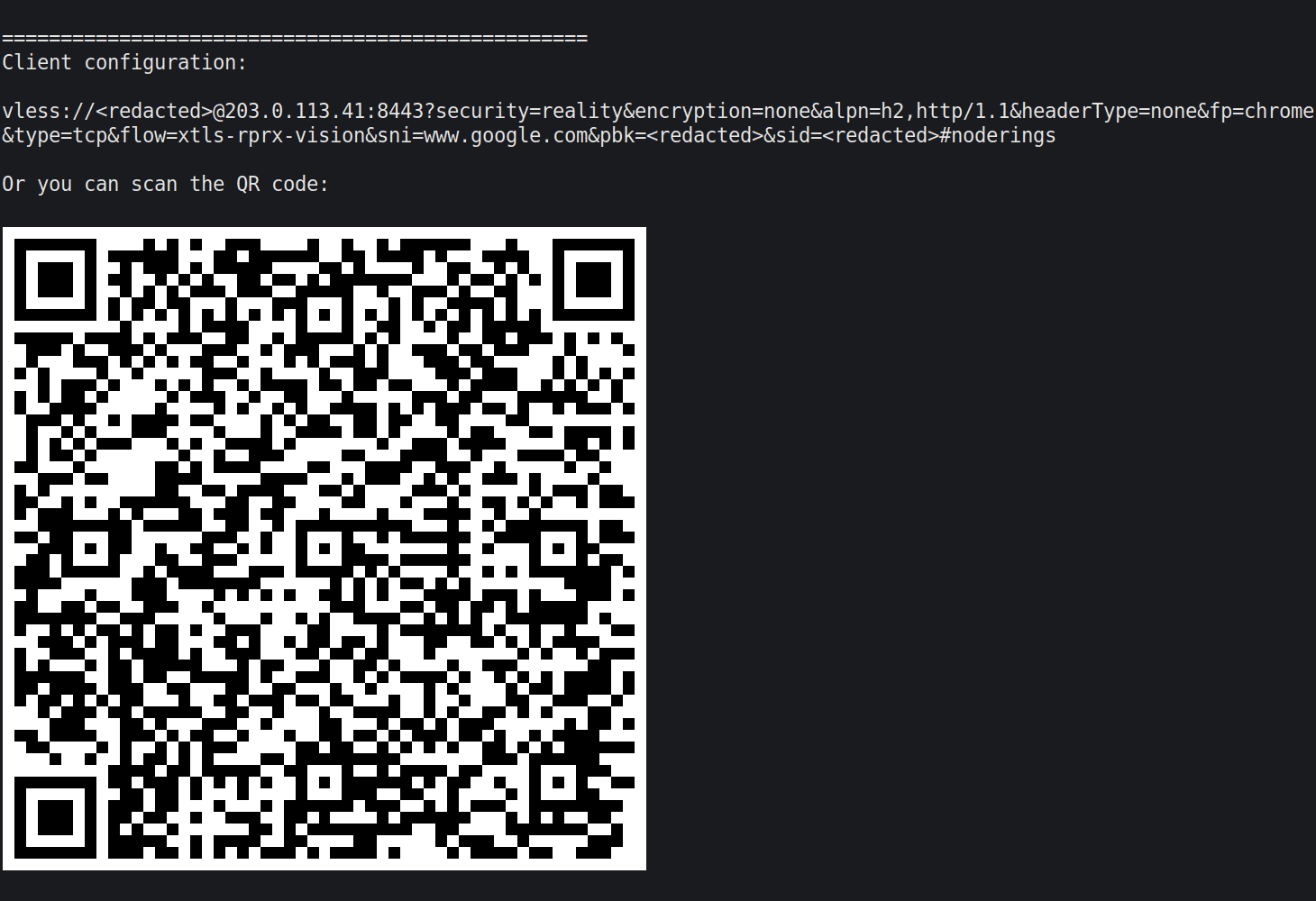
On 3X-UI that means an Xray inbound (often VLESS with REALITY or VLESS with TLS), a client UUID, then a share link or QR that v2rayNG, Hiddify, Streisand, or Happ can import. The same loop exists on X-UI and TX-UI. Pick one panel. Three Xray UIs on one guest fight over ports and confuse upgrades.
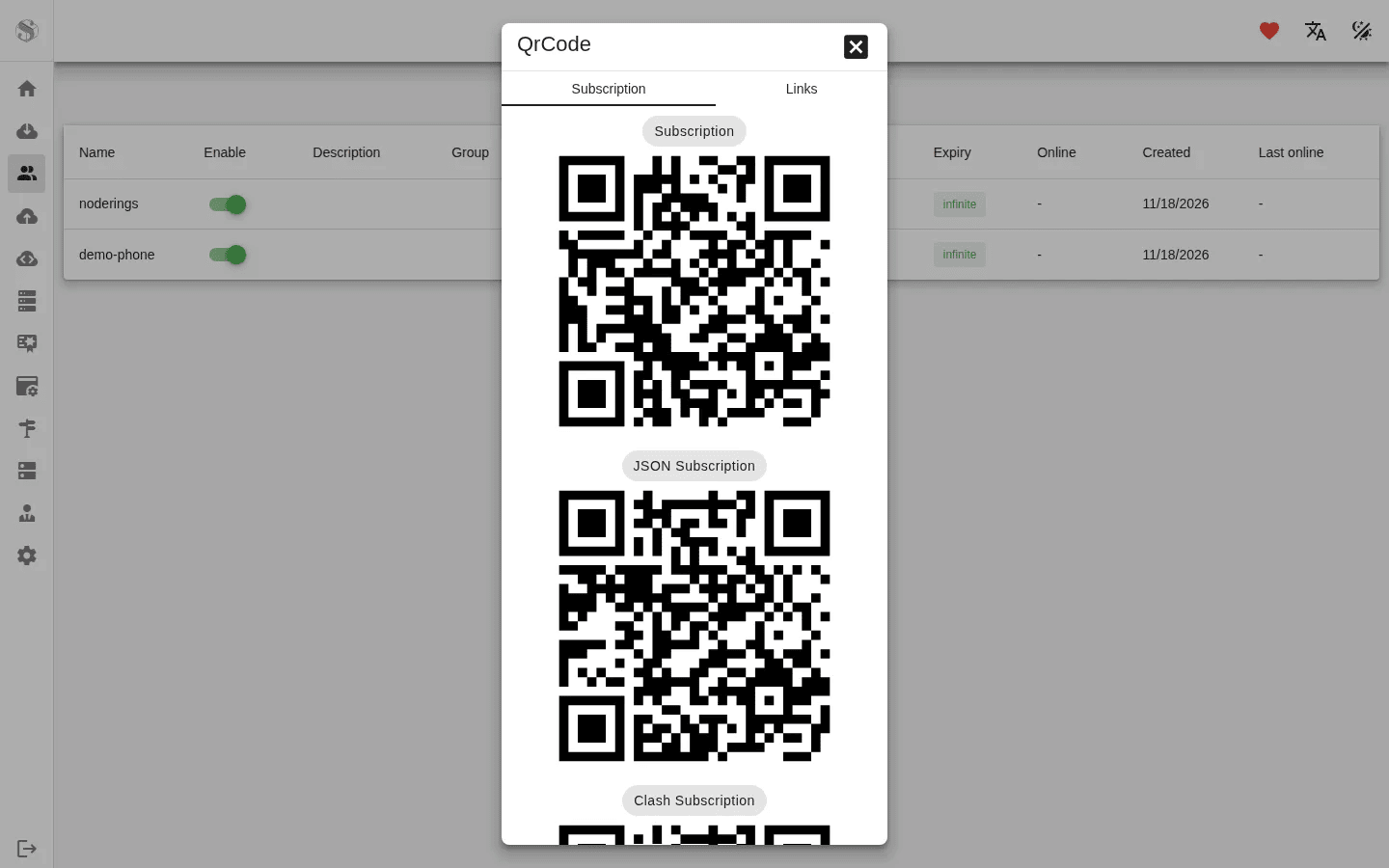
S-UI is the sing-box cousin of that workflow. If your clients already prefer sing-box or Clash Meta style subscription links, start there and leave Xray for another box.
Instant Apps that match how people actually connect
NodeRings Instant Apps install the panel (and the core it wraps) on a marketplace Compute Instance. Credentials land in /root/.noderings_password. The product is still a VPS you own: public VPN ports, abuse complaints, and upstream ToS stay on your desk, which is the cost of owning the exit.
Iran-shaped picks
Start with one all-in-one panel that speaks Reality and emits links the Iranian client set already understands.
| Job | Instant App | Why it fits |
|---|---|---|
| Solo phone / laptop | 3X-UI | Xray panel with a large Iranian operator following; fast path to VLESS with REALITY |
| Installer-first Reality | reality-ezpz | Opinionated Xray Reality setup when you want less panel surface |
| Friendly multi-protocol | Hiddify | Domains, users, and several cores behind one manager |
| Guided personal setup | Libertea | Xray-oriented flow aimed at people who hate raw panel sprawl |
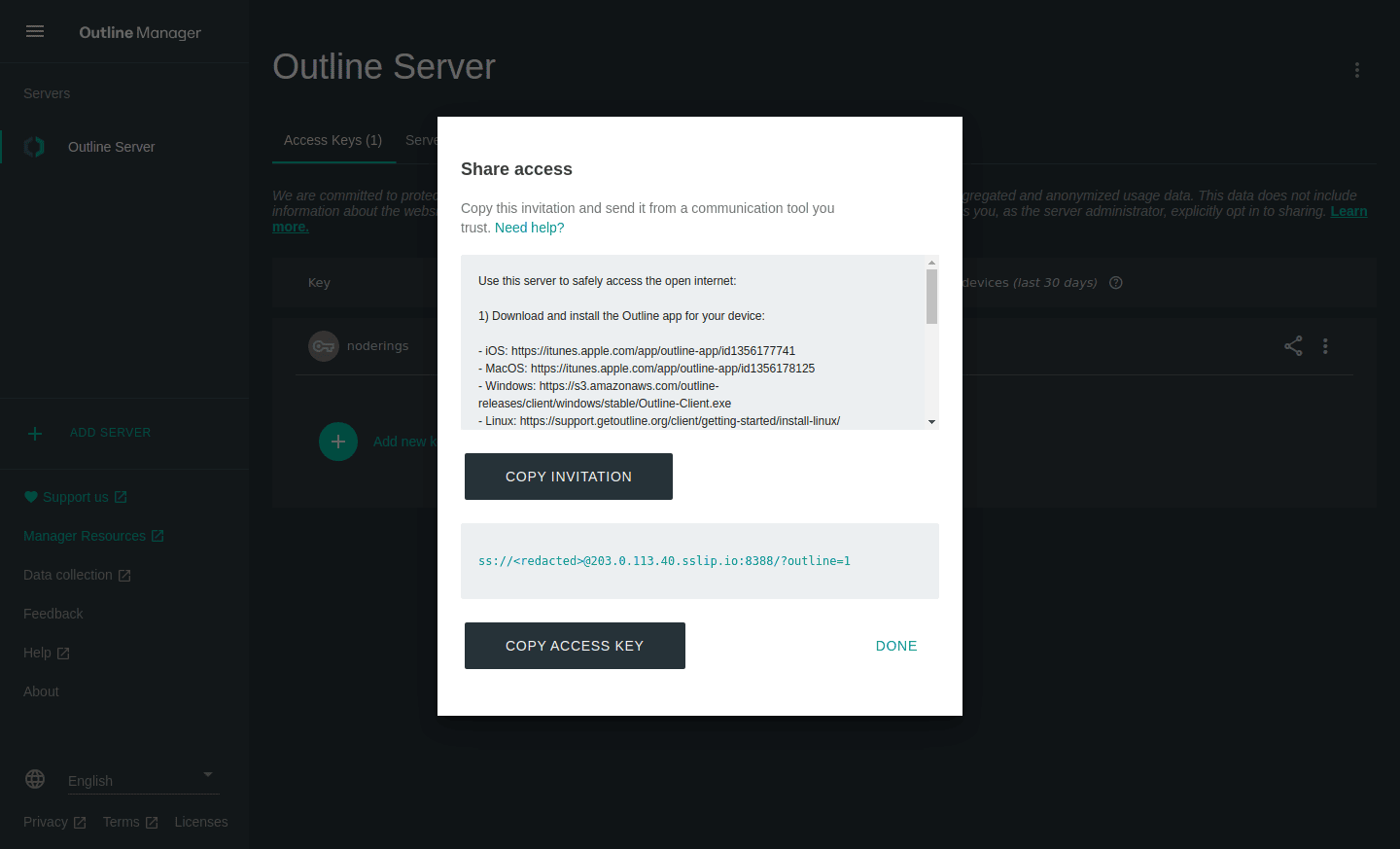
| Friends and family on SS | Outline Server | Jigsaw Shadowsocks with the Outline client apps |
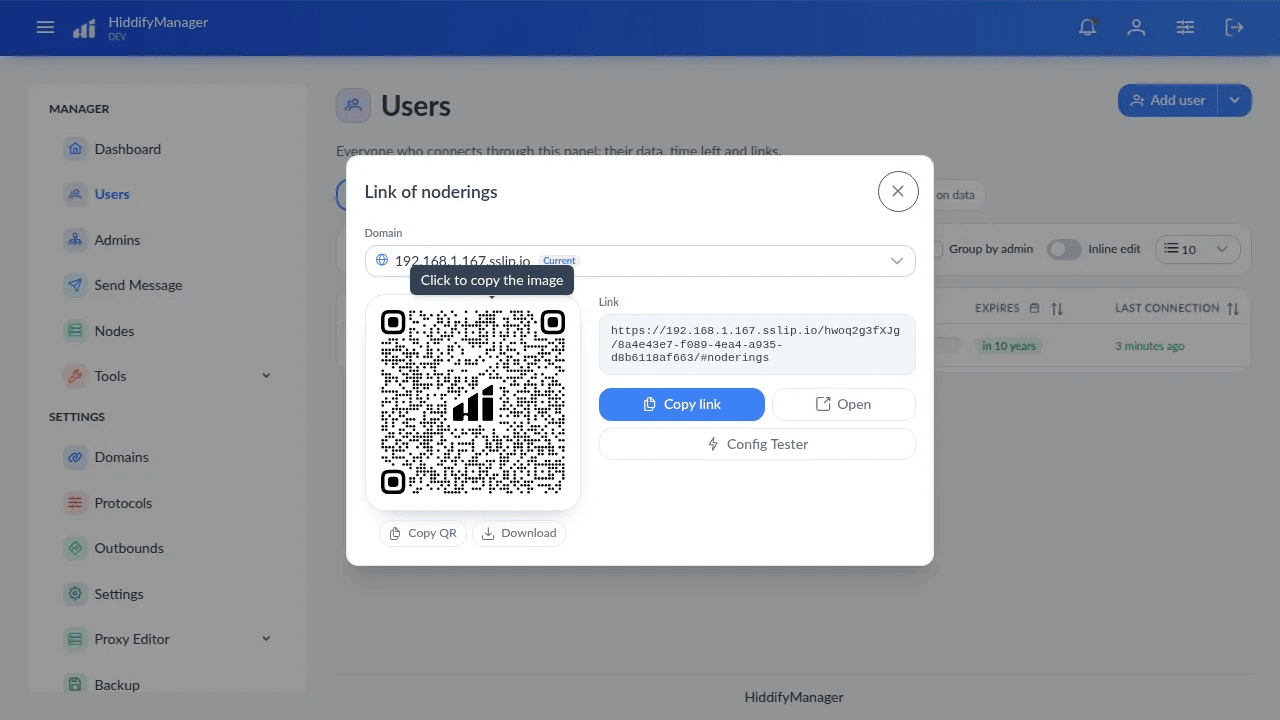
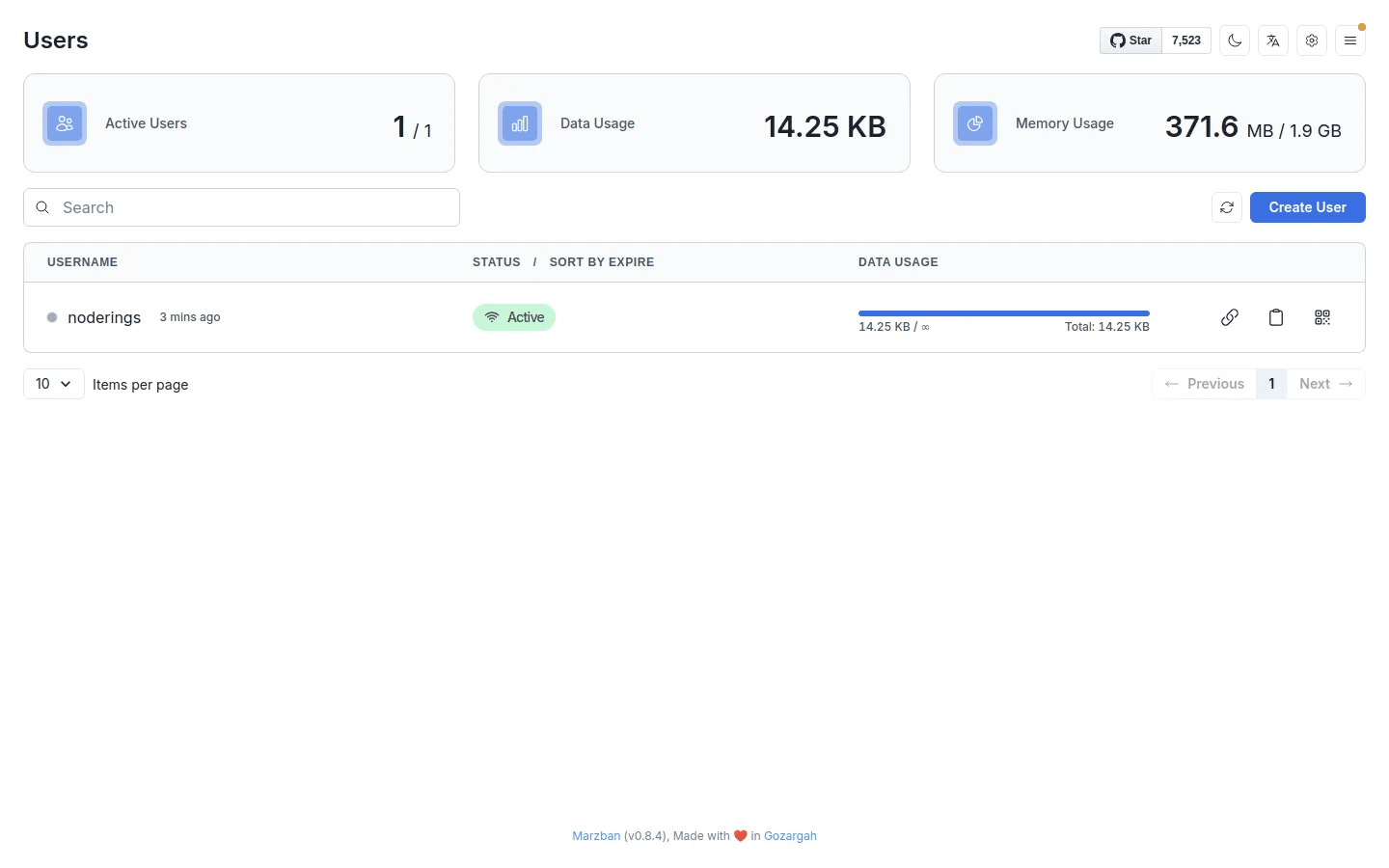
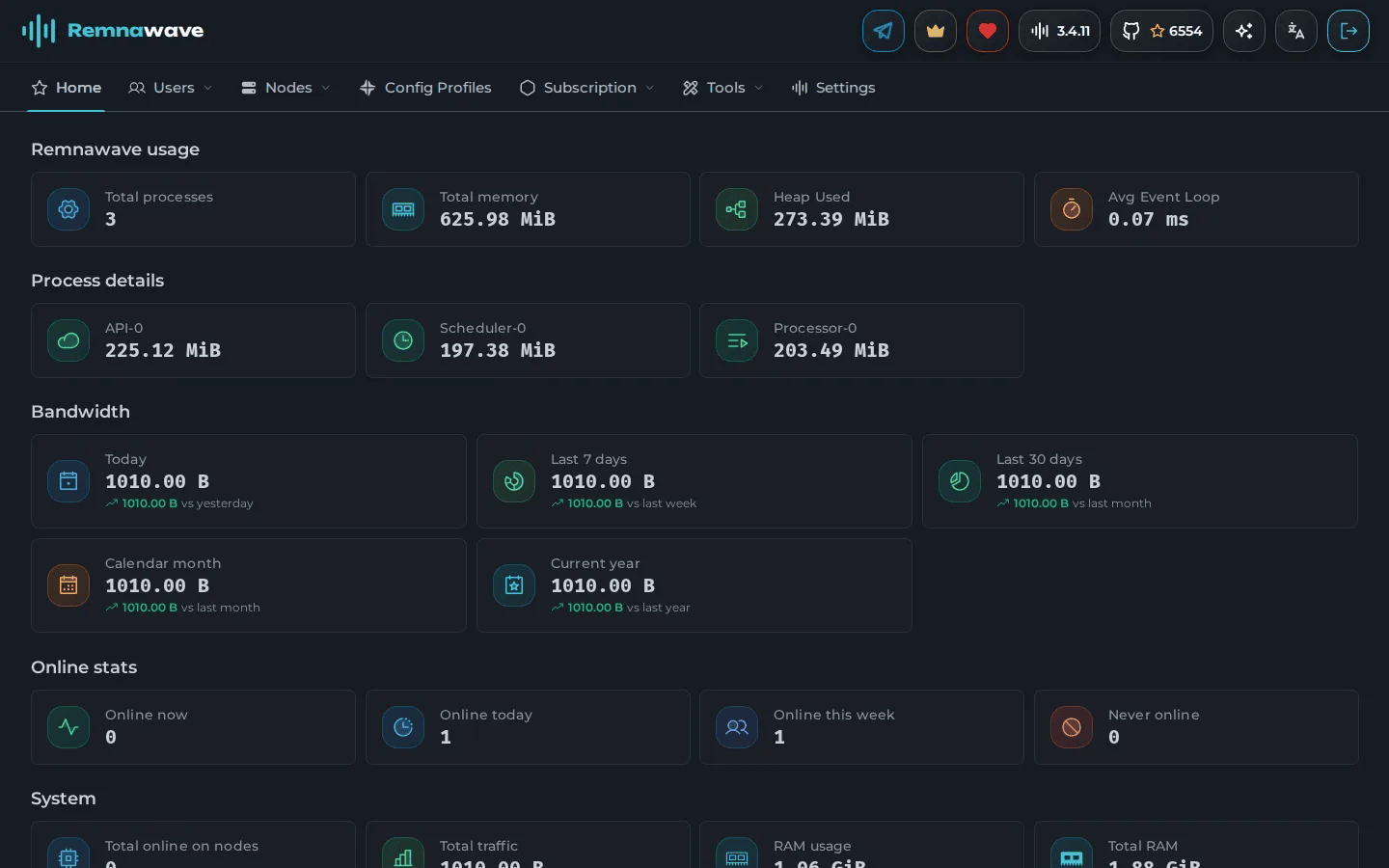
For several users with expiry and traffic limits, move up to Marzban, PasarGuard, or Remnawave. Those are Xray panel-plus-node shapes. They cost more attention than 3X-UI, and they repay that attention when you are handing links to more than yourself.
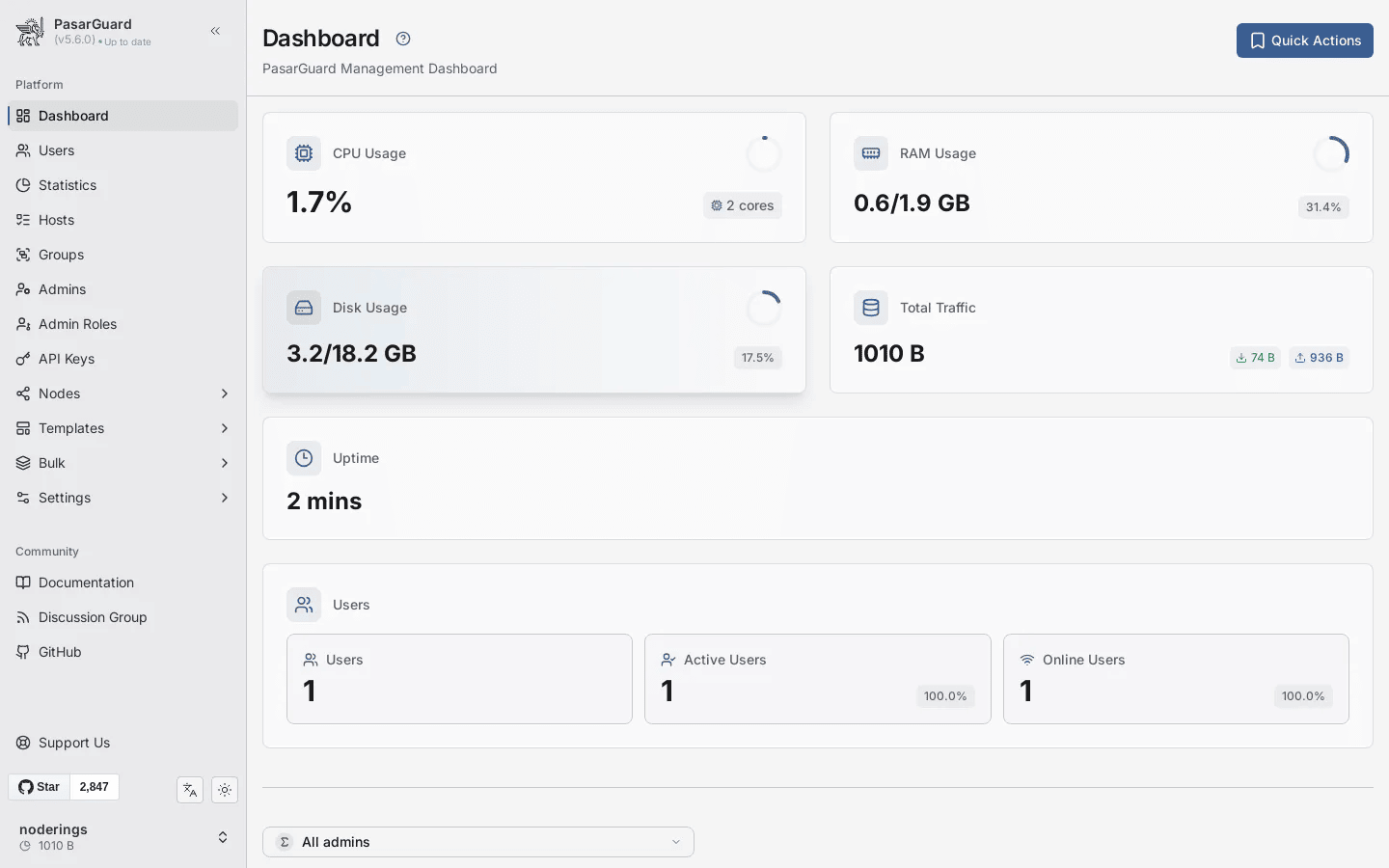
Marzneshin and Rebecca sit in the same family when you want that multi-user Xray model with a different panel lineage.
Turkey-shaped picks
If the goal is a personal tunnel for banking apps and social sites during a short block, WireGuard on Ubuntu or the phone QR flow in WireGuard on a VPS is still the simplest honest stack. OpenVPN is the older twin in OpenVPN on Ubuntu 24.04.
When the people you help already live inside v2rayNG or Hiddify, reuse the Iran panels above. 3X-UI, S-UI, and Hiddify cover most Turkish Discord and Telegram how-to threads. Locale on the landing page matters more than a separate Turkey-only slug.
China-shaped picks
For one exit you control, prefer:
| Job | Instant App | Notes |
|---|---|---|
| Simple SS for Outline clients | Outline Server | Lowest teaching cost for non-technical friends |
| VLESS / Reality solo | 3X-UI or reality-ezpz | Pair with clients that already speak the link format |
| sing-box first | S-UI | Fits Clash Meta / sing-box subscription habits |
| Multi-user on one box | Marzban / Hiddify | Still one VPS; add nodes later if traffic demands it |
Full 机场 stacks (Xboard plus node, V2Board plus V2bX, and friends) stay in the backlog. They are panel-plus-node systems, and shipping the panel alone strands buyers. Until those Instant Apps exist, treat Marzban, PasarGuard, and Remnawave as the self-hosted multi-user ceiling on one machine.
Clients stay on the phone
The Instant App is the server. The apps people open every day are separate, and they decide whether your carefully tuned inbound is usable on the train.
Common picks by ecosystem:
- Android: v2rayNG, Hiddify, NekoBox, Outline, WireGuard
- iOS: Streisand, Happ, Shadowrocket, Hiddify, Outline, WireGuard
- Desktop: Hiddify, Clash Meta / mihomo frontends, Outline, WireGuard
Each Instant App landing has a Clients that work section with OS labels. Read that before you buy the guest. A Reality inbound with no matching client on the phone is still an expensive open port.
Tunnel panels are a different product
Tunnel Panel and Hashem Panel manage GRE, FRP, and backhaul between servers. Operators use them to stitch an inside host to an outside host. They show up in Iranian and Chinese operator playbooks. Buy a phone-VPN Instant App when you only want a QR for yourself.
Limits of Instant Apps
They leave IP reputation to you. A fresh VPS in a friendly jurisdiction still needs a hostname, open ports that match the inbound, and a firewall that matches what you intend to run. Provider abuse desks still answer tickets about open proxies.
They leave fingerprint rot to you. When REALITY starts looking suspicious to DPI, you change SNI, port, or protocol. Panels with quick inbound edits beat a frozen consumer config file here.
They leave the legal line to you. Running a personal exit and selling access to strangers are different activities in most places. Read your provider's Acceptable Use Policy and your own local rules before you paste subscription links into a public channel.
A practical shopping order
- Pick the client your phone already has, or can install from a store you can reach.
- Pick the core that client speaks well (WireGuard, Shadowsocks/Outline, Xray, sing-box).
- Pick the Instant App that wraps that core, and stop at one panel on the guest.
- Prove one fetch of a public URL through the tunnel before you invite anyone else.
For a personal Iran-shaped Reality exit, that order usually lands on 3X-UI or reality-ezpz. For a household that wants one link format and several protocols, Hiddify. For the least teaching on Shadowsocks, Outline Server. For Turkey during a short platform block when Xray feels like overkill, start with WireGuard from the posts above.
The catalog group is under Compute Instance Instant Apps. Search the slug, read the landing's connect section, and size the guest from what the panel actually runs.