

Enzonix
Shared Compute - General Compute
$5.00/mo
1 vCPU · 1 GB · 20 GB
Choose location
Ashburn, United States
| Provider | Plan | vCPU | RAM | Disk | Regions | Billing | Price |
|---|---|---|---|---|---|---|---|
| Enzonix | Shared Compute - General Compute | 1 | 1 GB | 20 GB | Ashburn, United States | Fixed price | $5.00/mo |
| Enzonix | Shared Compute - General Compute | 1 | 1 GB | 20 GB | Amsterdam, Netherlands | Fixed price | $5.00/mo |
| Enzonix | Shared Compute - General Compute | 2 | 4 GB | 80 GB | Amsterdam, Netherlands | Fixed price | $9.00/mo |
| Enzonix | Shared Compute - General Compute | 2 | 4 GB | 80 GB | Ashburn, United States | Fixed price | $9.00/mo |
| Enzonix | Shared Compute - General Compute | 4 | 8 GB | 160 GB | Amsterdam, Netherlands | Fixed price | $16.00/mo |
| Enzonix | Shared Compute - General Compute | 4 | 8 GB | 160 GB | Ashburn, United States | Fixed price | $16.00/mo |
| Enzonix | Shared Compute - General Compute | 8 | 16 GB | 320 GB | Amsterdam, Netherlands | Fixed price | $32.00/mo |
| Enzonix | Shared Compute - General Compute | 8 | 16 GB | 320 GB | Ashburn, United States | Fixed price | $32.00/mo |
| Enzonix | Shared Compute - General Compute | 1 | 1 GB | 20 GB | Ashburn, United States | Hourly | $0.007/hr |
| Enzonix | Shared Compute - General Compute | 1 | 2 GB | 40 GB | Ashburn, United States | Hourly | $0.01/hr |
| Enzonix | Shared Compute - General Compute | 2 | 4 GB | 80 GB | Ashburn, United States | Hourly | $0.015/hr |
| Virtualized | Shared Compute - General Compute | 2 | 4 GB | 40 GB | Phoenix, United States | Fixed price | $12.49/mo |
| Virtualized | Shared Compute - General Compute | 3 | 6 GB | 60 GB | Phoenix, United States | Fixed price | $17.49/mo |
| Virtualized | Shared Compute - General Compute | 4 | 8 GB | 80 GB | Phoenix, United States | Fixed price | $22.99/mo |
| Virtualized | Shared Compute - General Compute | 8 | 16 GB | 160 GB | Phoenix, United States | Fixed price | $44.99/mo |
| Virtualized | Shared Compute - General Compute | 16 | 32 GB | 320 GB | Phoenix, United States | Fixed price | $79.99/mo |
| Virtualized | Shared Compute - General Compute | 32 | 64 GB | 640 GB | Phoenix, United States | Fixed price | $139.99/mo |
ComfyUI Instant App
ComfyUI is an open-source node graph for Stable Diffusion and related image workflows. Compare live VPS prices, CPU, RAM, disk and regions, launch ComfyUI on the plan you choose, and keep root access so models and outputs stay on your server.

ComfyUI
Instant App on marketplace VPS
Live marketplace offers
Choose billing and size, compare providers side by side, pick a location, then launch.
Shared Compute - General Compute
$5.00/mo
1 vCPU · 1 GB · 20 GB
Choose location
Ashburn, United States
1 provider
ComfyUI is a self-hosted node editor for Stable Diffusion and related generative image pipelines. Use it instead of paying for Midjourney or Runway seats. Open the graph after boot, load or build workflows, and add models on disk when you are ready to generate. No Instant App form fields are required at create time.
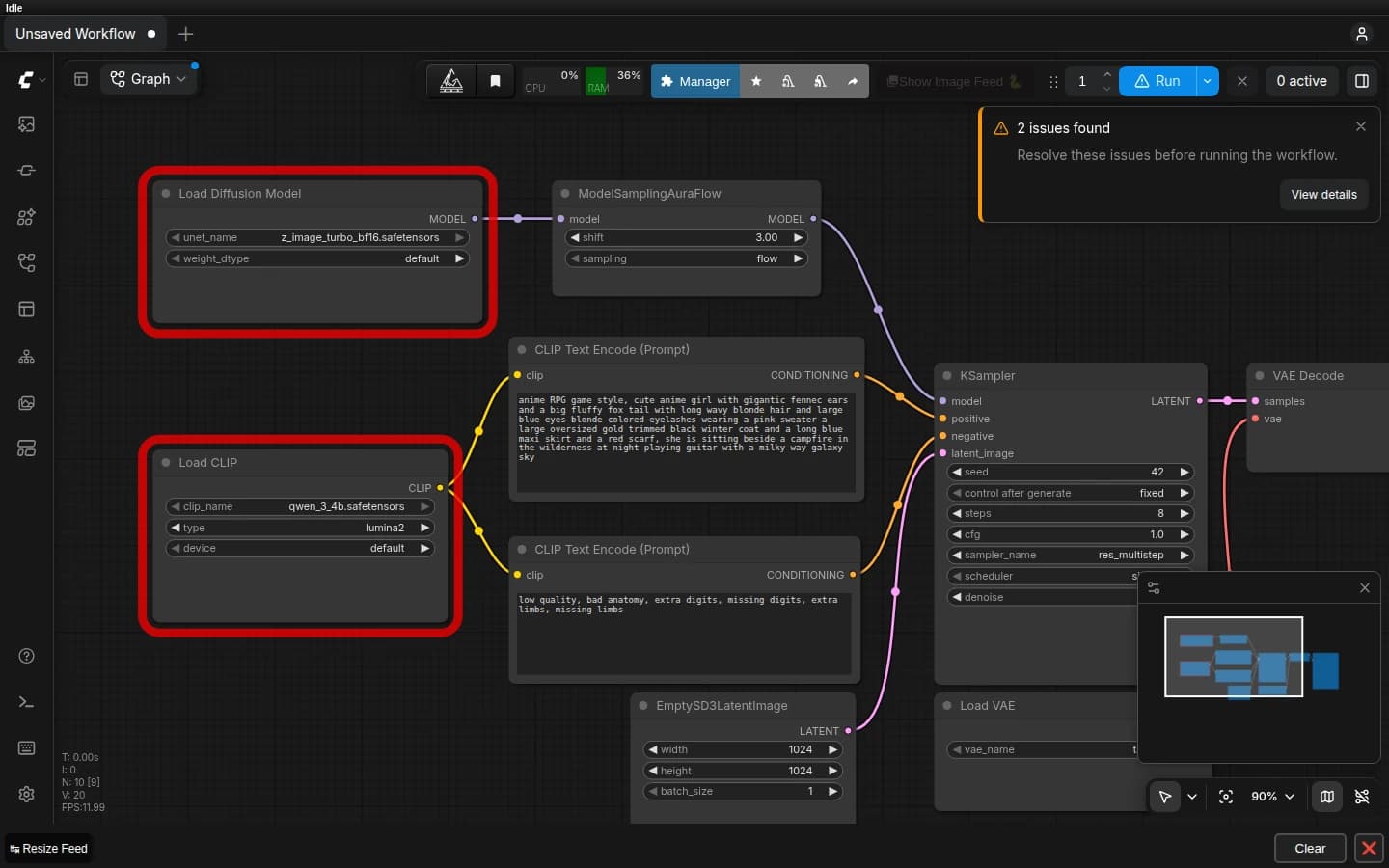
Open ComfyUI and browse popular image and video workflow templates instead of chasing install guides. Pick a graph and start exploring.
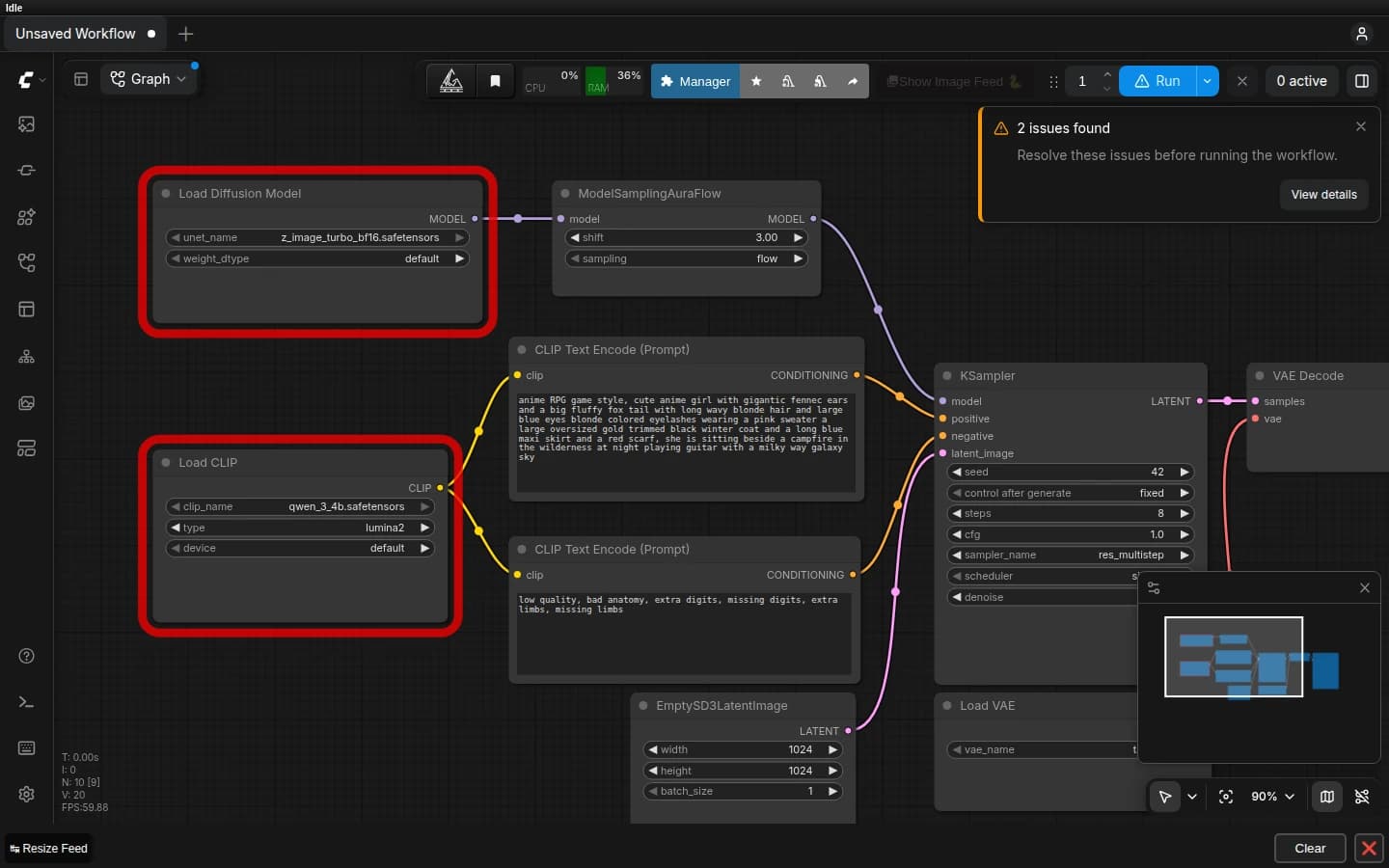
Wire models, prompts and samplers on the canvas. Keep the editor on hardware you control and iterate without a SaaS seat.
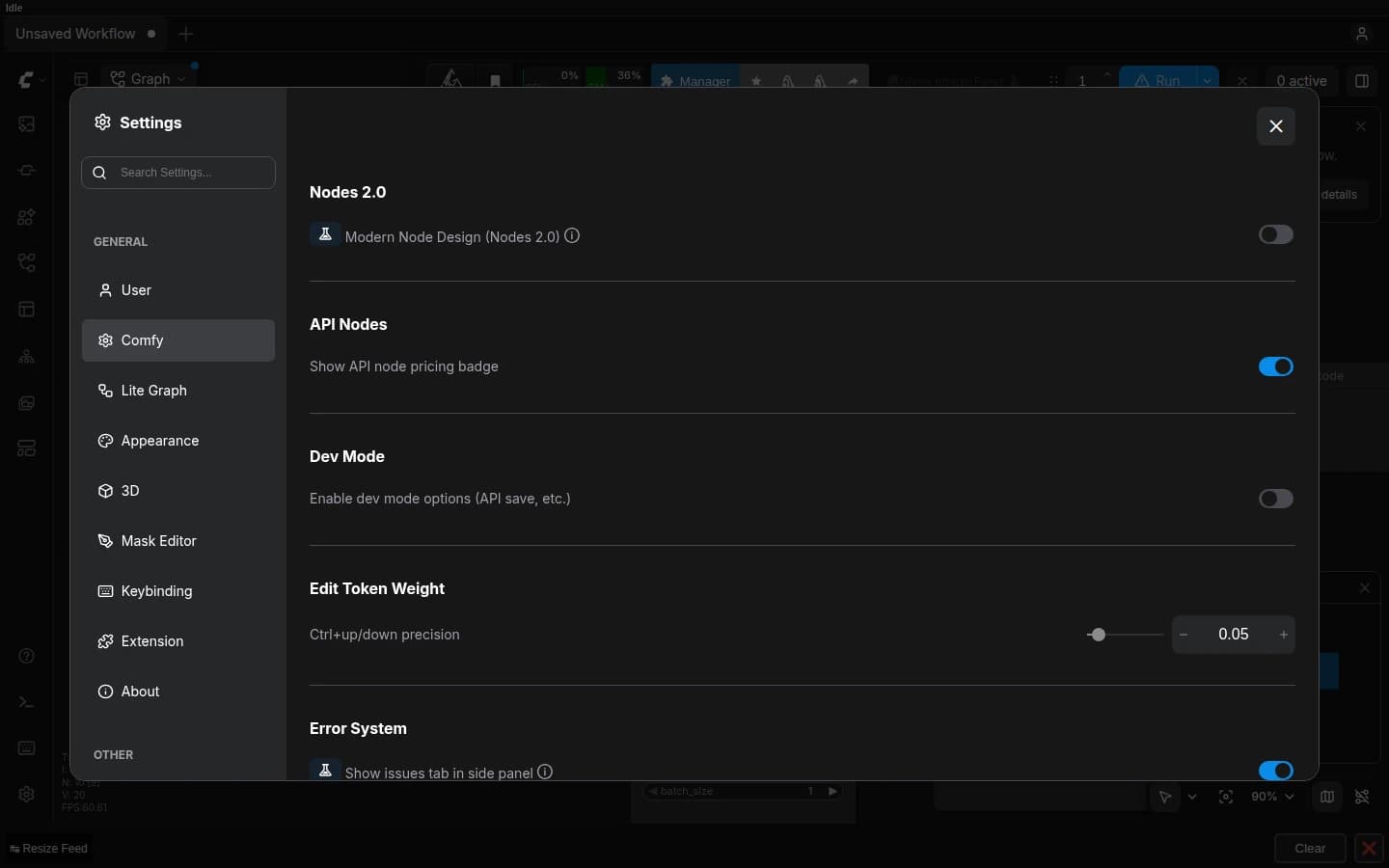
Tune appearance, nodes and extension options on your VPS. Changes stay on your volume with root access.
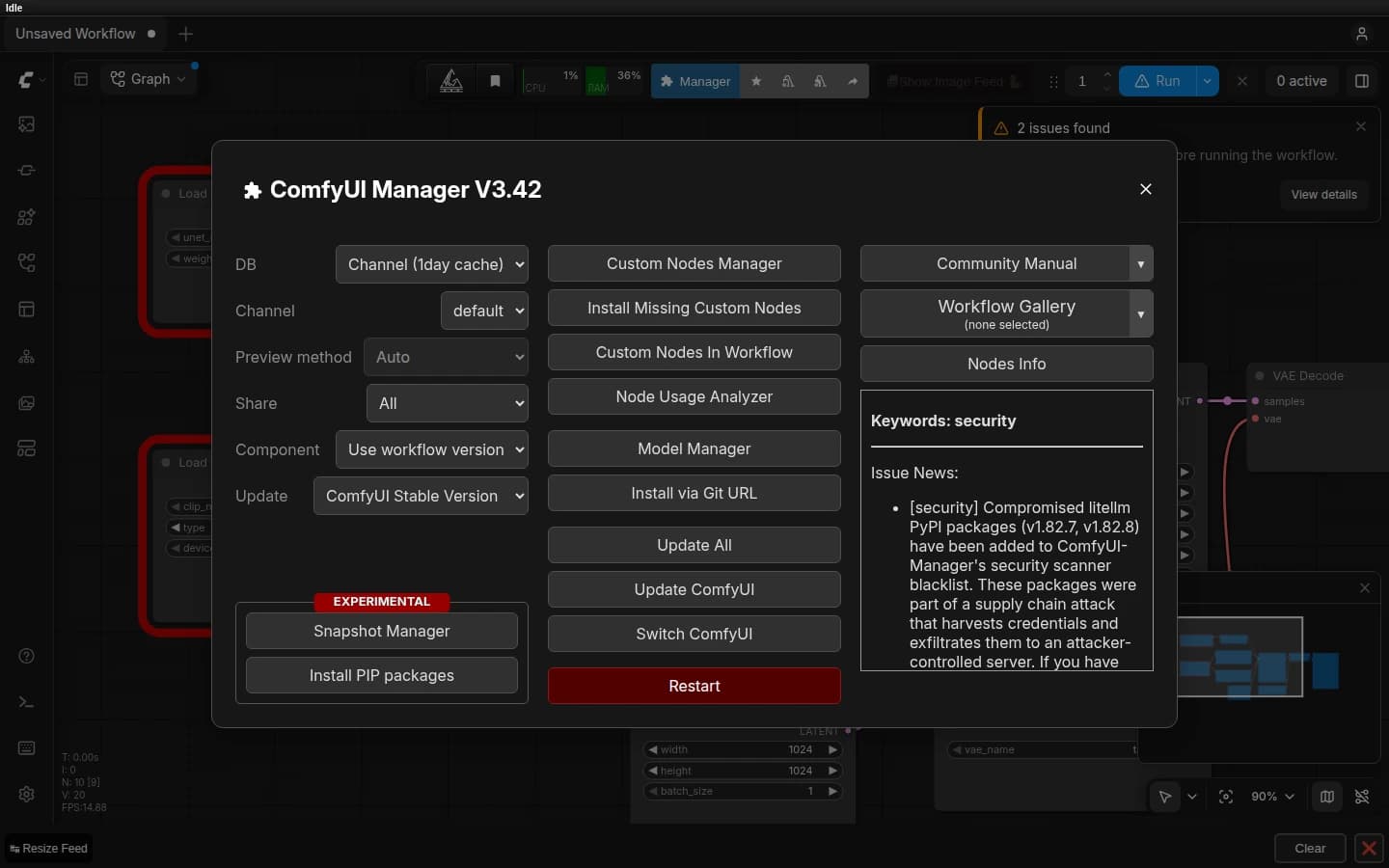
Use ComfyUI Manager to install custom nodes and models when you outgrow the defaults. Still your server, still your SSH.
Compare live ComfyUI VPS plans from independent providers, then self-host node-based image workflows on the offer you pick. Use it instead of paying for Midjourney or Runway seats.
See live prices, regions and plan sizes before you buy. Shop image-workflow hosts across independent providers, from a 4 GB CPU box upward.
Pick a plan and ComfyUI is prepared on that VPS for you. You still get root access to add checkpoints, custom nodes and a reverse proxy.
Compatible offers list cities and countries. Keep latency low for the editor or keep outputs in a place that matches policy.
Checkpoints, custom nodes and generated files live on your VPS volume. You control SSH, DNS and who can reach the UI.
Most ComfyUI VPS pages sell one company's servers. NodeRings lists Compute Instance plans from independent providers so you can compare self-hosted image workflow offers by price, size and region, then launch on the one that fits.
ComfyUI Instant App prepares ComfyUI on the provider VPS you selected. NodeRings does not operate that hardware or sell its own VPS fleet.
Compare plans, pick a provider offer, and launch ComfyUI on that server.
01
Browse live offers below. A 2 vCPU / 4 GB / 40 GB plan is a solid start for the CPU image. GPU hosts are a buyer choice when you want faster generation.
02
Choose the provider plan and region. There are no Instant App form fields to fill for ComfyUI.
03
Confirm checkout and wait for the server. Then open the site URL. ComfyUI has no built-in login, so protect it with an SSH tunnel or reverse proxy auth. You keep root SSH.
NodeRings Instant App brings ComfyUI up with Docker Compose and prepares first-boot access for you. Use the sections below to reach the UI, find passwords, and operate the stack.
Credentials are written on first boot to:
/root/.noderings_passwordRead them over SSH:
cat /root/.noderings_passwordCompose project directory
/opt/noderings/comfyui
/opt/noderings/comfyui/docker-compose.yml
/opt/noderings/comfyui/.env
Working directory for compose, the stack file, and generated secrets.
Credentials file
/root/.noderings_passwordWritten once on first boot.
Boot unit
/etc/systemd/system/noderings-comfyui.serviceBrings compose up after Docker is ready.
A single Compose service runs ComfyUI (yanwk/comfyui-boot:cpu). Host port 80 maps to container 8188. First image pull can take a long time.
comfyuiComfyUI graph UI on host port 80 (container 8188).
Container status
cd /opt/noderings/comfyui && docker compose psLive logs
cd /opt/noderings/comfyui && docker compose logs -fRestart containers
cd /opt/noderings/comfyui && docker compose restartsystemd unit status
systemctl status noderings-comfyuiYour ComfyUI UI starts on http://. Cloudflare can give visitors a padlock without installing anything on the VPS.
Add your domain
Sign up at Cloudflare and add the domain you want to use.
Point it at your VPS
Create an A record to your server IP and leave the orange cloud on.
Open the https site
Visit https://your-domain to open the graph UI. There is still no built-in login; Cloudflare only adds the padlock.
Only allow Cloudflare
Optional. With SSH (port 22) already allowed and everything else blocked by default, open only Cloudflare to ports 80 and 443:
curl -s https://www.cloudflare.com/ips-v4 | while read ip; do sudo ufw allow from "$ip" to any port 80,443 proto tcp; doneThat is enough for a first secure visit. You can tighten SSL in Cloudflare later if you need it. Keep port 22 allowed for SSH; leave other ports denied except this Cloudflare allow for 80 and 443.
ComfyUI Instant App ships a CPU-capable container so generic marketplace VPS plans can boot. Generation is slower without a GPU, and large checkpoints need disk. These are starting points, not guarantees.
| Workload | Illustrative starting point | Note |
|---|---|---|
| Explore the UI and light CPU workflows | 2 vCPU / 4 GB RAM / 40+ GB disk | Suggested Instant App floor for the CPU image pull and headroom. |
| Serious image generation | GPU VPS or more RAM and disk | Add an NVIDIA host or larger box, then point ComfyUI at CUDA images or drivers you install. |
| Checkpoints and LoRAs | Disk sized to your model library | Models are large. Keep them on the VPS volume and back up outputs off-box. |
| Public internet exposure | Same size; add auth in front | ComfyUI has no built-in login. Use a reverse proxy with auth or keep the UI on a private network. |
These are starting points, not guarantees. Needs depend on model size, custom nodes and whether you run on CPU or GPU.
This is self-hosted ComfyUI on a provider VPS, not a managed Midjourney seat. You pick the plan. ComfyUI is prepared on that server. Day-to-day care stays with you.
ComfyUI is prepared on the VPS with no Instant App form variables. The graph UI answers on HTTP once the large image finishes starting.
Root SSH on the VPS. You own models, workflows, outputs, DNS, TLS, OS updates and any reverse proxy auth unless a provider product says otherwise.
Built-in ComfyUI login, managed TLS, GPU drivers and preloaded commercial model packs are not bundled. Add models and lock down the UI after the server is up.
NodeRings helps with marketplace, billing and console. Provider hardware issues go to that provider. Looking after ComfyUI on the server is yours.
ComfyUI is a free, open-source node-based interface for Stable Diffusion and related generative image workflows. Artists and engineers use it to build reusable graphs on hardware they control.
No. ComfyUI Instant App asks for no form variables at create time. After the VPS is ready, open the site URL. There is no built-in admin password.
A GPU is strongly recommended for serious generation. This Instant App uses a CPU image so ordinary VPS plans can boot and show the UI. Move to a GPU host when you need speed.
No. Upstream ComfyUI has no authentication by default. Protect the UI with an SSH tunnel, VPN or reverse proxy with auth before you expose it on the public internet.
No. NodeRings is a marketplace. Independent providers list VPS plans. You pick a plan, ComfyUI is prepared on that provider server, and you manage the workflows from there.
No. You get a virtual machine with ComfyUI prepared for you, plus root access. That is different from a managed product that owns updates and support for you.
It prepares ComfyUI on the VPS you choose so you skip hunting through Docker install guides by hand. It is still your self-hosted server, not a separate managed hosting brand.
Open http://YOUR_IP/ in a browser. Status notes are in /root/.noderings_password. Nothing was collected from you at checkout for ComfyUI.
A common starting point is about 2 vCPU, 4 GB RAM and 40 GB disk for the CPU image. Faster generation and large model libraries need a GPU and more disk. Use the sizing guide above and compare plans in the list.
You confirm the plan and finish checkout. When the server is ready, open the site URL. First boot can take longer because the container image is large.
Yes. Each compatible plan lists available regions. Pick the city or country that matches latency and compliance needs.